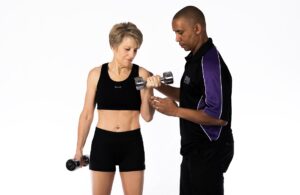
Embarking on a fitness journey with a partner can be a powerful way to bond and achieve shared goals. However, it's easy to fall into the trap of assuming your experiences are identical. We often project our own strengths, weaknesses, and perceptions of exercise onto our significant other. True partnership in wellness, however, begins with empathy. It requires taking a step back to understand the unique physical hurdles your partner faces, recognising that their body, background, and relationship with exercise might be vastly different from your own. This "empathy workout" is as crucial as any physical training you do together, strengthening not just your bodies, but the core of your relationship.
Recognising that every body is different
It’s a fundamental truth that no two bodies are the same. Your partner might be naturally more flexible, while you have greater cardiovascular endurance. One of you may build muscle easily, while the other struggles with strength gains. These differences can stem from genetics, past injuries, body composition, or hormonal profiles. For instance, a partner with longer legs might find squats more challenging, whereas someone with a shorter torso may excel at them. Ignoring these physiological realities can lead to frustration and feelings of inadequacy. Instead of pushing your partner to match your pace or lift the same weights, take the time to learn about their specific physical makeup and how it impacts their movement.
The impact of past experiences and injuries
A person’s history with physical activity profoundly shapes their present capabilities and mindset. An old knee injury from a university sports team might cause persistent discomfort during high-impact activities like running. Similarly, someone who had negative experiences with PE at school might carry a deep-seated anxiety about certain types of exercise or being judged in a gym environment. These are not excuses, but legitimate barriers that require compassion and careful navigation. Openly discussing these past experiences can shed light on why your partner might be hesitant or struggle with specific movements. This understanding allows you to adapt workouts and find activities that feel safe and enjoyable for them, rather than triggering old pain or anxiety.
How empathy strengthens your connection
When you make a genuine effort to see fitness through your partner's eyes, you send a powerful message: "I see you, I understand you, and I am on your team." This validation is incredibly affirming and can transform the entire dynamic of your shared fitness goals. It shifts the focus from competition or comparison to mutual support and collaboration. This deeper level of understanding fosters patience and reduces conflict. Instead of getting frustrated when your partner wants to stop, you'll be more inclined to ask what they are feeling and how you can help. This compassionate approach builds trust and emotional intimacy, making your fitness journey a source of connection rather than contention.
Practical ways to offer meaningful support
Putting empathy into practice involves more than just listening; it requires action. Start by having an honest conversation about your respective fitness goals, fears, and physical limitations. When you work out together, pay attention to their form and energy levels, offering encouragement rather than criticism. Celebrate their personal bests, no matter how small they may seem to you. A key strategy is to plan workouts that accommodate both of your abilities. This could mean doing your own routines side-by-side at the gym, finding a completely new activity you can learn together at the same level, or modifying exercises so you can perform them in unison but at different intensities.
Building a shared path forward
Ultimately, supporting your partner is about honouring their individual journey while walking the path together. It’s about creating an environment where both of you feel empowered and respected. This might mean one of you opts for a yoga class to improve flexibility while the other goes for a run, before meeting up for a healthy meal. The goal isn’t to do everything identically, but to champion each other’s efforts and respect the unique challenges each of you face.
By committing to this empathy workout, you move beyond simply being workout buddies and become true wellness partners. You learn to appreciate the resilience and effort your partner puts in, given their specific circumstances. This perspective not only makes your shared fitness activities more successful and sustainable but also deepens your respect and admiration for the person you love, building a healthier and stronger relationship both in and out of the gym.