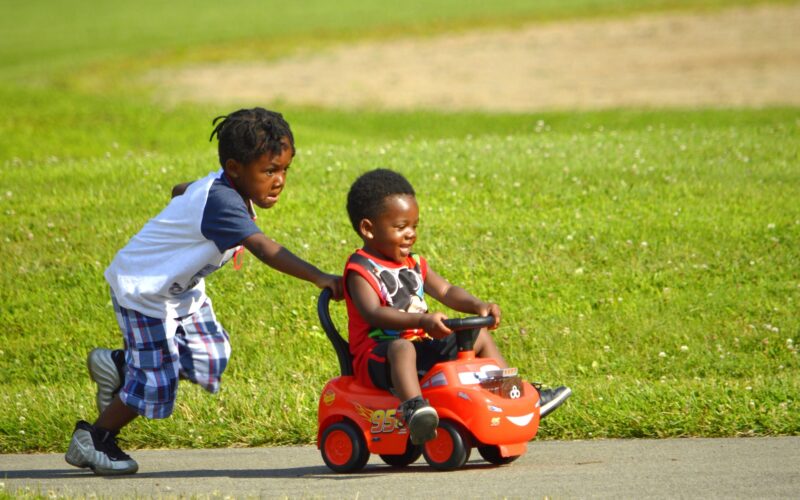
Encouraging your whole household to get moving together is a fantastic way to bond while building lifelong healthy habits. Finding the time and motivation to exercise can be challenging when you have a busy schedule, but combining family time with physical activity solves multiple problems at once. Children learn by watching the adults around them, so demonstrating a positive attitude towards fitness sets them up for a healthier future. You will discover that shared physical activities foster better communication and create joyful memories that outlast any temporary exhaustion. This guide explores practical ways to integrate movement into your weekly routine without it feeling like a chore.
Why physical activity matters for everyone
The benefits of regular exercise extend far beyond weight management and cardiovascular health, particularly when you approach it as a collective endeavour. Engaging in physical activity releases endorphins that elevate mood and reduce stress levels for both children and adults. You might notice that your kids sleep better and show improved concentration at school after a weekend of active play. Furthermore, tackling physical challenges together teaches resilience and teamwork, showing younger members of the household that it is perfectly normal to struggle and improve over time. Cultivating this supportive environment ensures that everyone feels encouraged to participate regardless of their initial fitness level.
Finding activities you all enjoy
The secret to maintaining a consistent exercise routine is selecting activities that feel like play rather than an obligation. You should try to experiment with various options until you find something that makes everyone genuinely excited to participate. Weekend nature walks, cycling through local parks, or even dishing out some friendly competition in the garden can get heart rates up without any formal equipment. Taking turns to let a different person choose the weekend activity guarantees that everyone feels involved in the decision-making process. If your teenager loves dancing but your youngest prefers chasing a football, rotating these choices keeps the schedule fresh and engaging.
Integrating these movements into your daily life requires a subtle shift in how you view transport and chores. Opting to walk or cycle for short journeys instead of driving instantly adds a burst of activity to your day. You can also turn mundane household tasks into a high-energy game by putting on some upbeat music and racing to finish tidying the living room. Even washing the car together provides an excellent opportunity to stretch, bend, and move vigorously while accomplishing something productive. These small adjustments add up significantly over the week and remove the need to constantly schedule formal exercise sessions.
Overcoming common scheduling hurdles
Finding a dedicated hour for everyone to exercise simultaneously is often the biggest obstacle for modern households. Rather than striving for perfection, you should aim for consistency by grabbing smaller windows of opportunity whenever they appear. A fifteen-minute game of tag before dinner or a quick stretching session before bed yields excellent results when repeated regularly. If weekdays are completely overwhelmed by school runs and late office hours, you can concentrate your efforts on dedicating Saturday mornings to a longer, shared physical adventure. Flexibility is crucial here, as rigidly forcing an inconvenient schedule will only generate resentment and defeat the core purpose of the initiative.
Maintaining enthusiasm during the colder months or after a particularly draining week at work demands a bit of creativity. Indoor obstacle courses using cushions and furniture can provide endless entertainment and a surprising cardiovascular workout when the weather turns grim. You can also explore local community centres that offer family-friendly swimming sessions or indoor climbing walls to keep things interesting. The focus must remain on having fun rather than tracking calories or measuring performance metrics, which can easily alienate those who are less competitive. Celebrating small milestones, like mastering a new skill or simply showing up on a rainy day, reinforces the positive association with exercise.
Building a lasting legacy of health
Establishing a routine of shared physical activity transforms how your household views health and wellness for generations to come. As you consistently prioritise moving your bodies together, you give your children the tools they need to manage stress and stay active throughout their adult lives. The laughter shared over a dropped ball or the collective triumph of reaching the top of a steep hill becomes the foundation of your closest relationships. Start with a single, manageable change this weekend and gradually build a dynamic environment where fitness is simply a natural, enjoyable part of your everyday existence.